Understanding Compost and Its Role in Healthy Soil

Compost is a vital resource for enriching soil and supporting plant growth. It provides essential nutrients and improves soil structure, helping plants thrive. Different types of compost offer various benefits and challenges. This post explores common organic compost materials such as cow manure, chicken manure, sheep manure, mushroom compost, and a unique product called "Who flung dung." You will learn about their nutrient content, how they affect soil, the best times to apply them, and precautions to take.
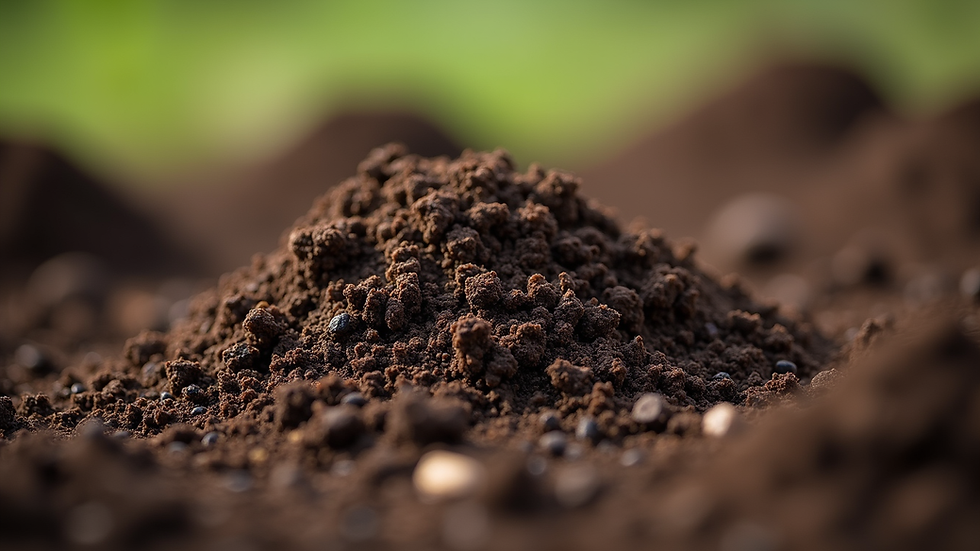
Close-up view of rich organic compost with visible manure and soil particles
Cow Manure Compost
Cow manure is one of the most widely used organic compost materials. It is rich in nutrients and helps improve soil texture.
Nutrient Content
Nitrogen (N): Approximately 0.5% to 2%
Phosphorus (P): Around 0.2% to 0.5%
Potassium (K): About 0.5% to 1%
Cow manure provides a balanced supply of nitrogen, phosphorus, and potassium, which are essential for plant growth. Nitrogen supports leaf and stem development, phosphorus aids root growth and flowering, and potassium strengthens overall plant health.
Pros
Improves soil structure and water retention
Adds organic matter that supports beneficial microbes
Supplies a steady release of nutrients over time
Cons
Can contain weed seeds if not properly composted
May have a strong odour when fresh
Risk of introducing pathogens if not fully decomposed
Risks and Precautions
Using fresh cow manure can burn plants due to high ammonia content. It is best to use well-composted manure to avoid this risk. Avoid applying cow manure to plants sensitive to high nitrogen levels, such as root vegetables, as it may cause excessive leaf growth at the expense of roots.
Best Time and Application Rate
Apply cow manure compost in early spring or autumn. Spread about 2 to 4 kilograms per square metre and mix it into the topsoil. This timing allows nutrients to become available during the growing season.
Chicken Manure Compost
Chicken manure is highly nutrient-dense and popular among gardeners seeking a quick nutrient boost.
Nutrient Content
Nitrogen (N): 1.5% to 4%
Phosphorus (P): 1% to 2%
Potassium (K): 0.5% to 1.5%
Chicken manure has a higher nitrogen content than cow manure, making it excellent for leafy plants but potentially too strong for some crops.
Pros
Fast nutrient release
High nitrogen content supports vigorous plant growth
Improves soil fertility quickly
Cons
Can burn plants if applied fresh or in excess
Strong odour when fresh
Requires careful composting to kill pathogens
Risks and Precautions
Avoid using fresh chicken manure directly on plants. It can cause root burn and damage seedlings. Compost chicken manure thoroughly for at least six months before use. Use sparingly on plants sensitive to high nitrogen, such as herbs and some flowers.
Best Time and Application Rate
Apply chicken manure compost in early spring or late autumn. Use about 1 to 2 kilograms per square metre, mixing it well into the soil. This helps prevent nutrient overload and supports healthy plant development.
Sheep Manure Compost
Sheep manure is a milder option compared to cow and chicken manure. It is often preferred for delicate plants.
Nutrient Content
Nitrogen (N): 0.7% to 1.5%
Phosphorus (P): 0.3% to 0.6%
Potassium (K): 0.5% to 1%
Sheep manure provides a moderate nutrient supply and improves soil texture without overwhelming plants.
Pros
Less likely to burn plants
Adds organic matter and nutrients steadily
Suitable for a wide range of plants
Cons
Lower nutrient content than chicken manure
May contain weed seeds if not composted properly
Slower nutrient release compared to chicken manure
Risks and Precautions
Use well-composted sheep manure to avoid introducing weed seeds. Avoid over-application, which can lead to nutrient imbalances. It is safe for most plants but still requires moderation.
Best Time and Application Rate
Apply sheep manure compost in autumn or early spring. Use 2 to 3 kilograms per square metre, mixing it into the soil. This timing supports nutrient availability during the growing season.
Mushroom Compost
Mushroom compost is a by-product of mushroom farming. It is made from straw, manure, and other organic materials.
Nutrient Content
Nitrogen (N): 0.5% to 1%
Phosphorus (P): 0.3% to 0.6%
Potassium (K): 0.5% to 1%
Mushroom compost is rich in organic matter and provides moderate nutrients.
Pros
Improves soil structure and moisture retention
Contains beneficial microbes
Good for vegetable gardens and flower beds
Cons
May have high salt content, which can harm sensitive plants
Not suitable for acid-loving plants due to alkaline pH
Nutrient content varies depending on source
Risks and Precautions
Test soil pH before applying mushroom compost. Avoid using it on acid-loving plants like blueberries or azaleas. Use in moderation to prevent salt buildup.
Best Time and Application Rate
Apply mushroom compost in spring or autumn. Use 2 to 3 kilograms per square metre, mixing it into the soil. This helps improve soil health and nutrient availability.
Who flung dung Product
"Who flung dung" is a branded organic compost product made from a blend of animal manures and organic materials. It is designed to provide balanced nutrients and improve soil health.
Nutrient Content
Nitrogen (N): Approximately 1% to 2%
Phosphorus (P): Around 0.5% to 1%
Potassium (K): About 0.5% to 1%
This product offers a balanced nutrient profile suitable for a variety of plants.
Pros
Ready-to-use and well-composted
Balanced nutrient content
Improves soil texture and fertility
Cons
May be more expensive than raw manures
Nutrient content can vary slightly by batch
Requires proper storage to maintain quality
Risks and Precautions
Follow application instructions carefully to avoid over-fertilising. Use on plants suited to the nutrient levels provided. Avoid applying during extreme heat to prevent nutrient loss.
Best Time and Application Rate
Apply "Who flung dung" compost in early spring or autumn. Use 2 to 3 kilograms per square metre, mixing it into the soil. This supports healthy plant growth and soil improvement.
For more details, you can visit the product page Who flung dung.

Eye-level view of garden soil enriched with various compost types
How Compost Contributes to Soil Health
Compost improves soil in several ways:
Nutrient Supply: Compost provides nitrogen, phosphorus, and potassium, essential for plant growth.
Soil Structure: Organic matter in compost improves soil texture, making it easier for roots to grow.
Water Retention: Compost helps soil hold moisture, reducing the need for frequent watering.
Microbial Activity: Compost supports beneficial microbes that help break down organic matter and protect plants.
Each type of compost contributes differently based on its nutrient content and organic matter.
Risks of Using Compost Incorrectly
Using compost improperly can harm plants and soil:
Nutrient Burn: Applying fresh or excessive manure can burn plant roots.
Weed Seeds: Poorly composted manure may introduce weeds.
Pathogens: Fresh manure can carry harmful bacteria.
Soil Imbalance: Overuse can lead to nutrient imbalances or salt buildup.
Wrong pH: Some composts, like mushroom compost, can raise soil pH, affecting sensitive plants.
Always use well-composted materials and follow recommended application rates.

High angle view of compost application in garden beds
When and How Much Compost to Apply
Timing and quantity depend on the compost type and plants:
Cow Manure: Early spring or autumn, 2-4 kg/m²
Chicken Manure: Early spring or late autumn, 1-2 kg/m²
Sheep Manure: Autumn or early spring, 2-3 kg/m²
Mushroom Compost: Spring or autumn, 2-3 kg/m²
Who flung dung: Early spring or autumn, 2-3 kg/m²
Apply compost by spreading evenly and mixing into the top 10-15 cm of soil. Avoid applying too close to plant stems to prevent root damage.
Final Thoughts on Using Compost
Compost is a powerful tool for improving soil and supporting plant health. Understanding the differences between cow, chicken, sheep, mushroom compost, and products like "Who flung dung" helps you choose the right option for your garden or project.
Use compost thoughtfully, considering nutrient content, plant needs, and soil conditions. Proper application timing and rates ensure you get the best results without risks.
If you want to explore reliable compost options, consider products like Who flung dung for balanced, ready-to-use organic matter.
Taking these steps will help you build strong, fertile soil that supports healthy plants year-round.
If you have questions or want advice on compost for your soil, feel free to reach out. We are here to help you make the best choices for your garden or land.


Comments